
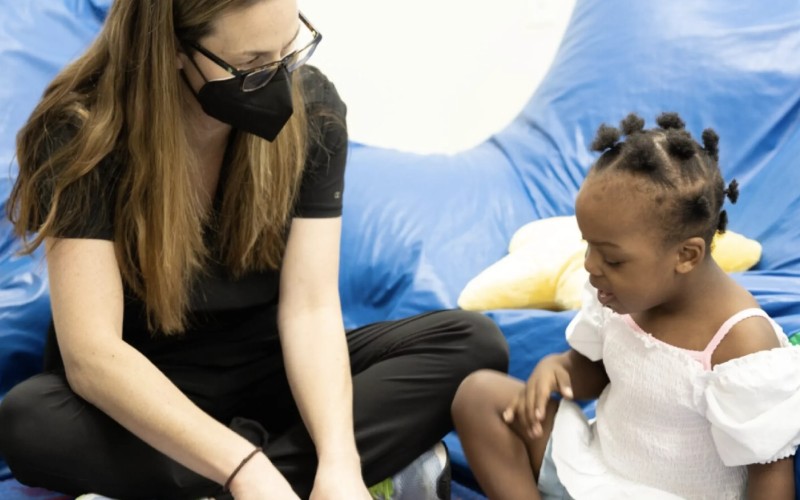

The earliest years of a child’s life are a period of unparalleled growth and transformation. From the first smile to the first step, these milestones are more than just memories. They are the outward signs of a brain and body developing at an incredible speed. However, for children born with complex medical needs or developmental delays, these milestones may require a more specialized roadmap.
Early intervention refers to the system of professional services designed to support children from birth to age three. For a child with significant health challenges, the decision to seek intervention early is the single most impactful choice a parent can make. By addressing needs the moment they are identified, we take advantage of a biological window of opportunity to improve a child’s quality of life.
The Biological Advantage: Why Time is of the Essence
To understand why early intervention is so successful, we must look at the science of the developing brain. During infancy and toddlerhood, the brain is highly plastic. This means that the neural pathways are still being forged and are highly adaptable to change and learning.
The Role of Neuroplasticity
Neuroplasticity is the ability of the brain to reorganize itself by forming new neural connections. In children with neurological or psychological complexities, certain pathways may be blocked or damaged. Early intervention uses targeted therapy to wire the brain to find alternative routes. When a child receives physical or occupational therapy at a young age, the brain is more likely to adopt these new patterns as permanent habits. This creates a foundation for motor development and cognitive functioning that becomes much harder to establish as the child grows older and neural pathways become more fixed.
Preventing Secondary Complications
One of the most important benefits of early intervention is preventing secondary issues that often arise from chronic conditions. For example, a child with mobility problems might develop muscle contractures or joint stiffness if physical therapy is delayed. By intervening at an early age, specialists can:
- Maintain muscle flexibility and joint range of motion through consistent stretching.
- Prevent the need for more invasive procedures later in life.
- Manage respiratory health through specialized positioning and nursing care.
- Improve nutritional intake for children with feeding tubes or swallowing difficulties.
- Identify sensory processing issues before they lead to significant behavioral changes.
A Holistic Approach to Complex Medical Needs
Children with medical complexities often require more than just standard outpatient visits. They need a medical home where their health is monitored and their development is nurtured simultaneously. This is where the Prescribed Pediatric Extended Care (PPEC) model becomes a vital resource for families.
The Integration of Nursing and Therapy
For a child who requires a ventilator, feeding tube, or constant seizure monitoring, traditional daycare is rarely an option. A PPEC provides a clinical environment that feels like a school but functions with the precision of a medical facility. In this setting, early intervention is not just a one-hour appointment. It is woven into the child’s daily routine.
- Continuous Monitoring: Registered nurses ensure the child remains medically stable so they are physically ready to participate in developmental play and therapy.
- On-Site Therapy: Physical, occupational, behavioral, and speech therapists work with the child in a familiar environment, leading to better engagement and less anxiety.
- Social Interaction: Being around peers is essential for cognitive development. PPEC centers provide children with medical needs a safe, supervised space to build social confidence.
Empowering the Family Unit
Early intervention is not just for the child. It is for the entire family. When a child is diagnosed with a complex condition, parents often feel a sense of crisis management. Professional intervention shifts that feeling toward empowerment. Through early care, parents learn how to advocate for their child, understand their medical equipment, and celebrate the small victories that signify major progress. This support system reduces household stress and ensures the child has a consistent care plan at both the center and home.
Long-Term Outcomes and Quality of Life
The ultimate goal of early intervention is to maximize a child’s independence. Research consistently shows that children who receive early, intensive support are more likely to achieve higher levels of functional mobility and communication. This leads to a higher quality of life and, in many cases, a reduced need for intensive institutional care in adulthood.
By investing in early care, we are giving children the tools they need to participate more fully in their communities, attend school with their peers, and lead lives defined by their abilities rather than their medical diagnosis. Early intervention changes a child’s life trajectory from one of limitation to one of possibility.
A Supportive Partner in Care
Navigating the pediatric medical complexity can feel overwhelming, but you do not have to do it alone. Children’s Rehab PPEC is dedicated to being a supportive partner for your family, offering a safe environment where medical care and therapeutic growth happen side by side.
For families seeking specialized resources, Children’s Rehab provides a dedicated clinical team to bridge the gap between hospital care and home life. Every child deserves the opportunity to reach their fullest potential, and having the right team in place ensures that each developmental milestone receives the attention it deserves.