
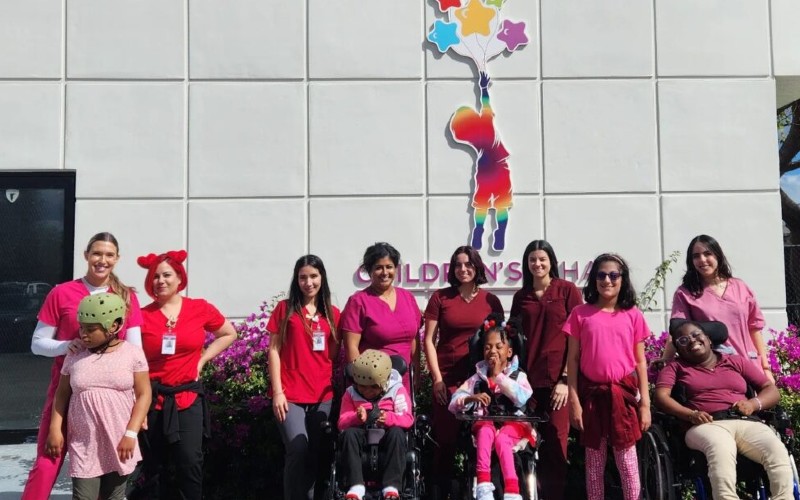

Pediatric rehab centers play an essential role in the lives of medically fragile children who require ongoing monitoring, therapeutic support, and structured developmental care. These children often face challenges that affect movement, communication, feeding, learning, and overall health. A specialized environment allows them to receive these services safely and consistently throughout the day. Centers such as Prescribed Pediatric Extended Care programs create a supportive environment where skilled nursing, therapeutic services, and early developmental activities work in tandem. This integrated approach promotes steady progress in physical abilities, emotional well-being, and cognitive skills. By offering a place designed specifically for medically fragile children, pediatric rehab centers help families access the resources needed for long-term growth and improved quality of life.
Understanding Medically Fragile Children and Their Unique Needs
Medically fragile children often have conditions that require frequent monitoring or specialized interventions. These may include neurological conditions, respiratory challenges, genetic disorders, cardiac concerns, or developmental delays. Their needs can vary from oxygen support to mobility assistance to feeding therapy. A general childcare or educational environment is not equipped to meet these demands in a safe manner. Pediatric rehab centers are created specifically to support children with complex needs by providing individualized care and structured routines. The staff understands how medical challenges affect physical development, communication, and learning. This knowledge allows them to create plans that support each child’s strengths while addressing their limitations. With the right level of supervision and encouragement, medically fragile children are better able to participate in activities that foster growth and confidence.
Skilled Nursing Care: Providing Safety and Stability
Skilled nursing services form the foundation of every pediatric rehab center. Nurses provide constant oversight by monitoring vital signs, administering medications, managing feeding tubes, and handling equipment such as ventilators and oxygen systems. Their presence ensures that children remain safe and stable throughout the day. When a child experiences discomfort or a sudden change in condition, nurses are trained to respond immediately. This creates a secure space where children can participate comfortably in therapy and developmental activities without interruptions to their health. Nurses also collaborate closely with families and the therapy team to follow individualized care plans. Their consistent support allows children to build trust and feel calm, which is essential for emotional and cognitive growth. With nursing care protecting each child’s health, meaningful developmental progress becomes possible.
Therapy Services That Drive Physical and Cognitive Growth
Therapy is a central component of a pediatric rehabilitation center, as it helps children strengthen their bodies, improve daily functioning, and develop essential communication skills. Physical therapy focuses on mobility, balance, coordination, and strength. Occupational therapy helps children develop fine motor abilities, sensory processing skills, and greater independence in daily routines. Speech therapy supports communication, feeding skills, and cognitive language development. Each therapy discipline works from a personalized plan based on the child’s medical history, abilities, and goals.
What sets rehab centers apart is the level of coordination among therapists, nurses, and developmental specialists. Skills practiced during therapy are reinforced throughout the day during playtime, social activities, and daily routines. This consistency supports both physical and cognitive growth because children are practicing and learning in multiple ways. Over time, these repeated experiences help children build confidence and achieve meaningful milestones.
Developmental and Emotional Enrichment Opportunities
Pediatric rehab centers recognize that growth extends beyond medical care and physical therapies. Children also need opportunities to develop emotionally, socially, and intellectually. Structured enrichment activities such as sensory play, interactive learning, music time, and early educational exercises help children explore new experiences in a supportive environment. Developmental specialists design activities that match each child’s abilities, enabling them to participate fully and build new skills over time.
Social interaction also plays a key role. Medically fragile children especially benefit from being around peers with similar abilities and challenges. Group activities encourage sharing, communication, and emotional expression. These moments help children feel connected and supported, which positively influences their emotional health and readiness to learn.
Equipment, Technology, and Adaptations That Support Development
Many children rely on medical or adaptive equipment that plays an important role in their care and development. Pediatric rehab centers are equipped with mobility aids, communication devices, adaptive seating, monitoring tools, and respiratory equipment. Staff members are trained to operate this equipment safely and to incorporate it into daily routines and therapy sessions.
Assistive technology can open new possibilities for children. For example, adaptive communication devices allow nonverbal children to express their needs, while mobility equipment encourages increased strength and independence. Therapists evaluate which tools will benefit each child and teach them how to use these aids effectively.
By combining a knowledgeable care team with specialized equipment, pediatric rehab centers help children overcome barriers and gain access to meaningful learning and developmental opportunities.
Family Centered Support and Communication
Families play a vital role in every child’s progress, and pediatric rehab centers focus on maintaining clear communication and strong partnerships. Parents receive regular updates on their child’s health, therapy goals, and daily achievements. Staff members also provide education and hands-on guidance that helps families continue progress at home.
Because multiple services are available in one location, families gain convenience and reassurance. There is no need to coordinate separate appointments or travel between specialists. This unified approach saves time and reduces stress, allowing families to focus on supporting their child’s well-being.

Frequently Asked Questions
Children with complex medical needs, developmental delays, mobility challenges, or respiratory support requirements often benefit from specialized rehab programs.
Nurses, therapists, and developmental specialists communicate daily, update progress notes, and collaborate on weekly or monthly goals to ensure every child receives consistent support.
Yes. Nurses and trained caregivers possess the skills to respond promptly and effectively to changes in a child’s condition, which helps maintain safety throughout the day.
Care plans are reviewed daily and can be updated at any time based on the child’s progress, medical needs, or new goals.
Absolutely. Families are encouraged to participate in goal setting, receive updates, and learn techniques that can be continued at home.
A Supportive Pathway for Growth and Independence
Pediatric rehab centers provide medically fragile children with a safe, structured environment where they can grow physically, emotionally, and cognitively. By combining skilled nursing, coordinated therapies, and enriching developmental activities, these centers help children reach milestones that may not be possible in other settings. Families gain confidence knowing their child is surrounded by professionals dedicated to long-term health and progress. With the right care and support, medically fragile children can achieve meaningful growth and move toward greater independence.